Gombe government has initiated action to prevent public defecation.

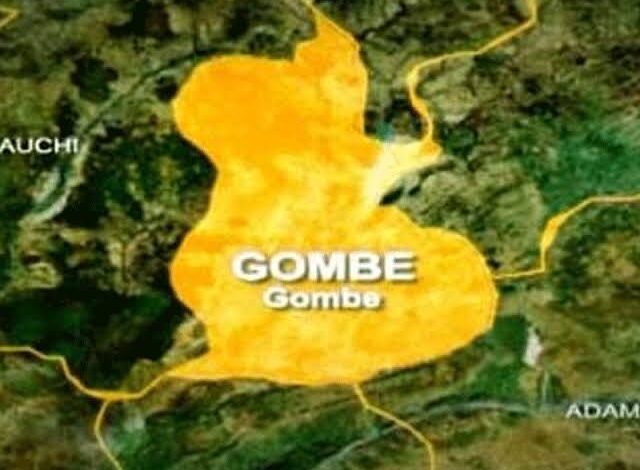
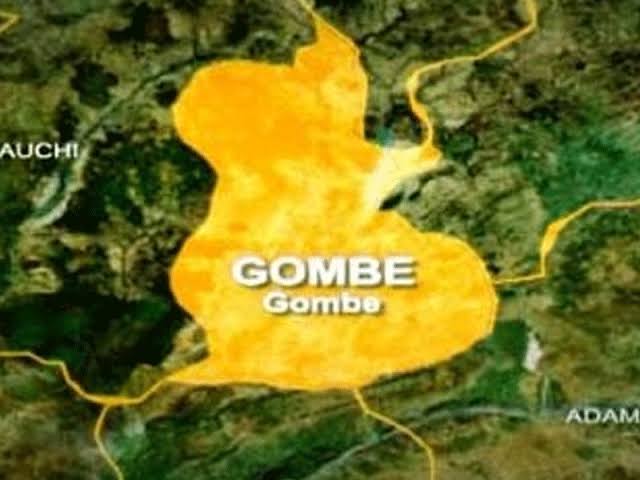
The Gombe State Government has intensified efforts to end open defecation across the state, directing relevant authorities to ensure that all local government areas and Local Council Development Areas (LCDAs) achieve Open Defecation-Free (ODF) status.
The directive is part of the government’s broader efforts to improve public sanitation, protect residents’ health and promote a cleaner environment.
The Commissioner for Water Resources, Nasiru Adamu Degri, gave the directive to the Rural Water Supply and Sanitation Agency (RUWASSA) during a familiarisation meeting with the agency’s management.
He urged the agency to strengthen its activities and extend the sanitation achievements already recorded in some parts of the state to other communities.
Government Commends Three LGAs for Achieving ODF Status
During the meeting, Degri praised Dukku, Shongom and Nafada Local Government Areas for achieving Open Defecation-Free status.
He described the achievement as an important step towards improving sanitation standards and protecting public health.
The commissioner encouraged RUWASSA to build on the progress made by these local governments and work towards ensuring that every council in Gombe State achieves the same status.
He stressed that ending open defecation requires sustained government commitment, effective community participation and proper sanitation practices.
RUWASSA to Intensify Sanitation Awareness Campaigns
The Rural Water Supply and Sanitation Agency plays an important role in promoting access to clean water, sanitation and hygiene across rural communities.
Its General Manager and Project Coordinator, Muhammad Gibraimu Ahmed, reportedly pledged the agency’s support for the commissioner’s directive.
The agency is expected to strengthen public awareness campaigns, work with community leaders and support local authorities in improving sanitation facilities.
These efforts are particularly important in rural communities where access to functional toilets and proper waste disposal facilities may remain limited.
Why Ending Open Defecation Is Important
Open defecation remains a serious public health and environmental concern in many communities.
When human waste is deposited in bushes, open spaces or near water sources, harmful bacteria and other disease-causing organisms can contaminate the environment.
This can increase the risk of diseases such as cholera, diarrhoea and typhoid, particularly where access to clean drinking water is limited.
Ending the practice requires more than government directives. Communities also need affordable and accessible toilet facilities, clean water, hygiene education and effective waste management systems.
Government Calls for Transparency and Accountability
Apart from the sanitation directive, Commissioner Degri also emphasised the importance of transparency, integrity, due process and proper record-keeping in the implementation of RUWASSA’s programmes.
He assured the agency of his commitment to cooperation and effective partnerships to achieve the ministry’s objectives.
The emphasis on accountability is important because successful sanitation programmes require proper planning, funding, monitoring and maintenance of facilities.
Conclusion
The Gombe State Government’s renewed campaign against open defecation represents an important effort to improve public health and environmental sanitation.
With Dukku, Shongom and Nafada already recognised for their ODF achievements, the government is now looking to extend similar progress to other local government areas.
However, achieving a completely open-defecation-free Gombe will require sustained investment in toilet facilities, community education and cooperation between government officials, traditional rulers and residents.
Ultimately, access to proper sanitation is not just about keeping the environment clean; it is also essential for protecting lives and promoting healthier communities.